
Laryngopharyngeal Reflux
Laryngopharyngeal Reflux Services
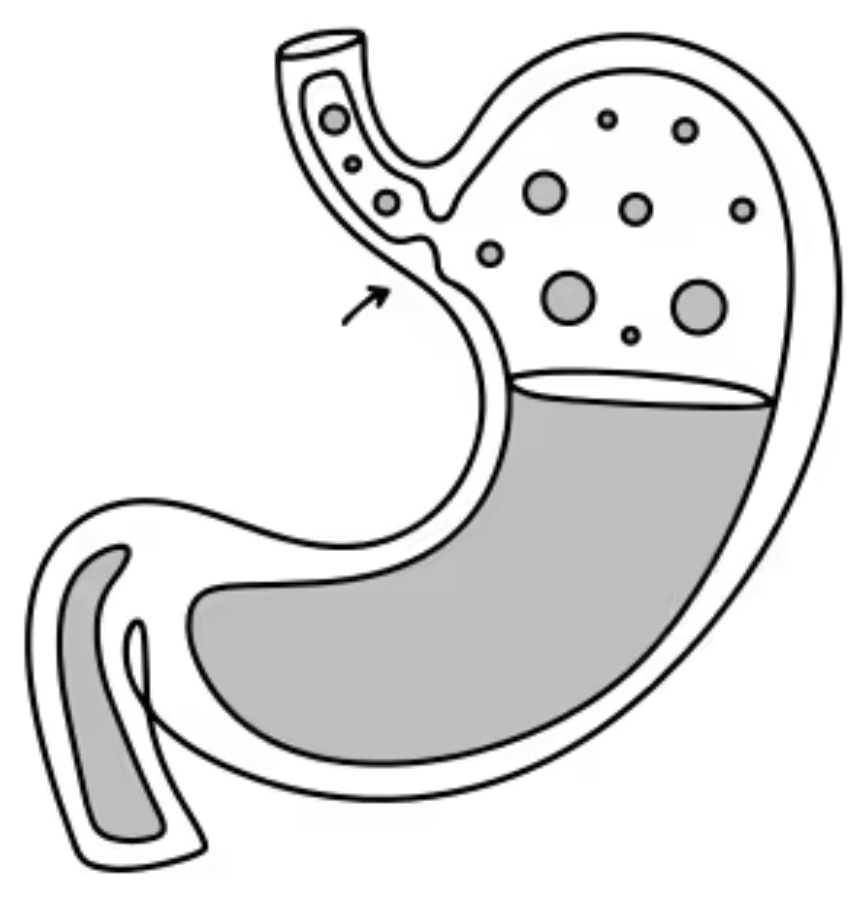
At Spokane ENT, we provide comprehensive evaluation and diagnosis of laryngopharyngeal reflux (LPR), a condition where stomach acid and digestive enzymes flow back up into the throat and larynx, causing irritation and inflammation. LPR differs from traditional gastroesophageal reflux disease (GERD) in that it often occurs without the typical heartburn symptoms, making it more challenging to diagnose. Common symptoms include chronic throat clearing, hoarseness, sensation of a lump in the throat (globus sensation), post-nasal drip, chronic cough, and difficulty swallowing. Our team performs thorough evaluation to identify LPR as the cause of these symptoms, which helps guide appropriate management strategies.
We utilize advanced diagnostic techniques to evaluate LPR, including detailed history taking to identify symptoms and potential contributing factors such as diet, lifestyle habits, and medication use. Our evaluation includes comprehensive laryngoscopic examination to visualize the throat and vocal cords, looking for signs of inflammation, irritation, or tissue changes that are characteristic of LPR. We may also perform pH monitoring studies or other diagnostic tests when indicated to confirm the diagnosis and assess the severity of reflux. Our team works to differentiate LPR from other conditions that can cause similar symptoms, such as allergies, sinusitis, or vocal cord disorders, ensuring accurate diagnosis.
Management of LPR typically involves a multidisciplinary approach and may include lifestyle and dietary modifications, over-the-counter or prescription medications managed by primary care providers, and in some cases, procedural or surgical interventions performed by gastroenterologists or general surgeons. Our role focuses on accurate diagnosis and ongoing monitoring of throat and voice symptoms. We work collaboratively with primary care physicians, gastroenterologists, and other specialists to ensure patients receive comprehensive care. We provide education about LPR, monitor treatment response through follow-up examinations, and address any persistent throat or voice symptoms that may require specialized ENT management.
Laryngopharyngeal Reflux Resources
Frequently Asked Questions
LPR is when stomach acid and digestive enzymes flow back into the throat and larynx, causing irritation. Unlike GERD, LPR often occurs without heartburn. Common symptoms include chronic throat clearing, hoarseness, sensation of a lump in the throat, post-nasal drip, chronic cough, and difficulty swallowing.
Symptoms include chronic throat clearing, hoarseness, globus sensation (lump in throat), post-nasal drip, chronic cough, and difficulty swallowing. Many people with LPR do not experience classic heartburn, which can make diagnosis more challenging.
An ENT evaluates LPR through a detailed history, laryngoscopic examination to view the throat and vocal cords for signs of inflammation, and sometimes pH monitoring or other tests to confirm the diagnosis and rule out allergies, sinusitis, or vocal cord disorders.
Treatment typically includes lifestyle and dietary changes, medications (often managed with your primary care or gastroenterologist), and in some cases procedural or surgical options. Your ENT focuses on accurate diagnosis, monitoring throat symptoms, and coordinating care with other specialists.
Your ENT can diagnose LPR and manage throat and voice symptoms. Treatment often involves collaboration with primary care and sometimes gastroenterology for medication management or further evaluation of the digestive tract.