
Superior Semicircular Canal Dehiscence
Superior Semicircular Canal Dehiscence Services
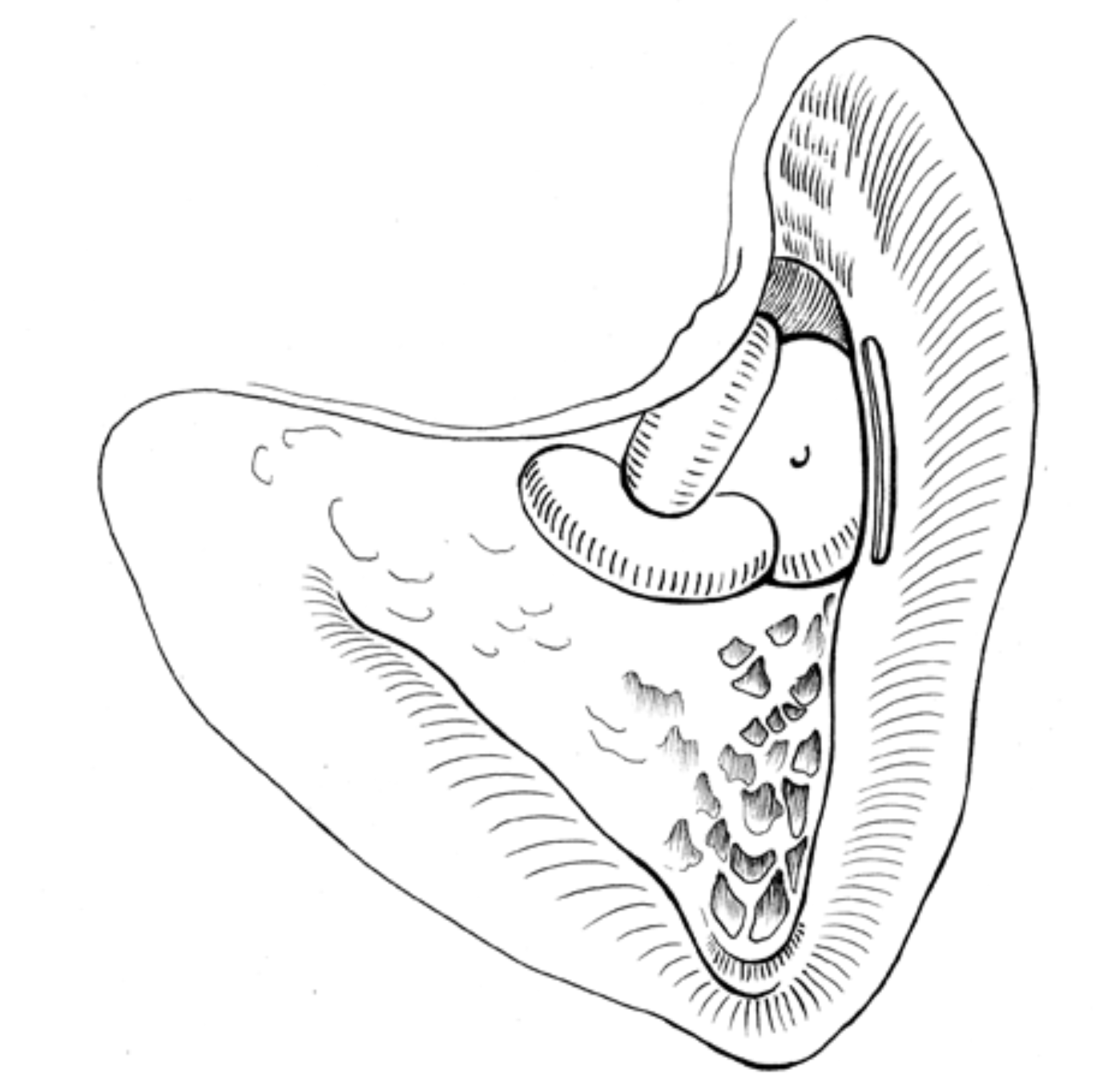
At Spokane ENT, we provide expert diagnosis and treatment of superior semicircular canal dehiscence (SSCD), a condition where the bone covering the superior semicircular canal of the inner ear is abnormally thin or absent. This bony defect creates an abnormal connection between the inner ear and the intracranial space, leading to a unique constellation of symptoms including autophony (hearing one's own voice, breathing, or eye movements unusually loudly), sound-induced dizziness or vertigo, and conductive hearing loss. Our team performs comprehensive evaluation including detailed history taking, physical examination, audiometric testing, and specialized vestibular testing to accurately diagnose this condition.
We utilize advanced imaging techniques including high-resolution temporal bone computed tomography (CT) scans to visualize the bony defect and confirm the diagnosis of SSCD. Our specialists work closely with radiologists to obtain precise measurements of the dehiscence and assess the extent of the bony defect. We also perform vestibular evoked myogenic potential (VEMP) testing, which is highly sensitive for detecting SSCD and helps quantify the severity of the condition. This comprehensive diagnostic approach allows us to develop individualized treatment plans tailored to each patient's specific symptoms and functional impact.
Our team offers both conservative management and surgical treatment options for SSCD based on the severity of symptoms and their impact on quality of life. For patients with mild symptoms, we provide medical management including lifestyle modifications and avoidance of triggering activities. When symptoms are severe and significantly impact daily function, we perform surgical repair of the bony defect using a middle fossa approach or transmastoid approach, depending on the location and extent of the dehiscence. Our surgeons have extensive experience with these delicate procedures, which involve resurfacing or plugging the superior semicircular canal to eliminate the abnormal connection and resolve symptoms while preserving hearing and balance function.
Superior Semicircular Canal Dehiscence Resources
Frequently Asked Questions
SCD is a thinning or opening in the bone over the superior semicircular canal. It can cause dizziness (especially with loud sounds or pressure changes), hearing your own voice or heartbeat loudly, and imbalance.
Symptoms include sound- or pressure-induced dizziness (Tullio phenomenon, Hennebert sign), autophony (hearing your own voice/body sounds loudly), pulsatile tinnitus, and imbalance.
Diagnosis involves hearing tests, vestibular testing, and high-resolution CT of the temporal bone. Your ENT may order these tests if SCD is suspected.
Treatment options include observation, avoiding triggers, or surgery to repair the dehiscence. Surgery may be recommended when symptoms are significant and affect quality of life.
See an ENT if loud sounds, coughing, or straining trigger dizziness, or if you hear your own voice or heartbeat abnormally loudly. These can be signs of SCD.